Jaiho 777 APK Not Installing? Android Fix Guide
Jaiho777 APK not installing? Check package, signer, Android version and storage before changing phone…


Last updated: 26 August 2026
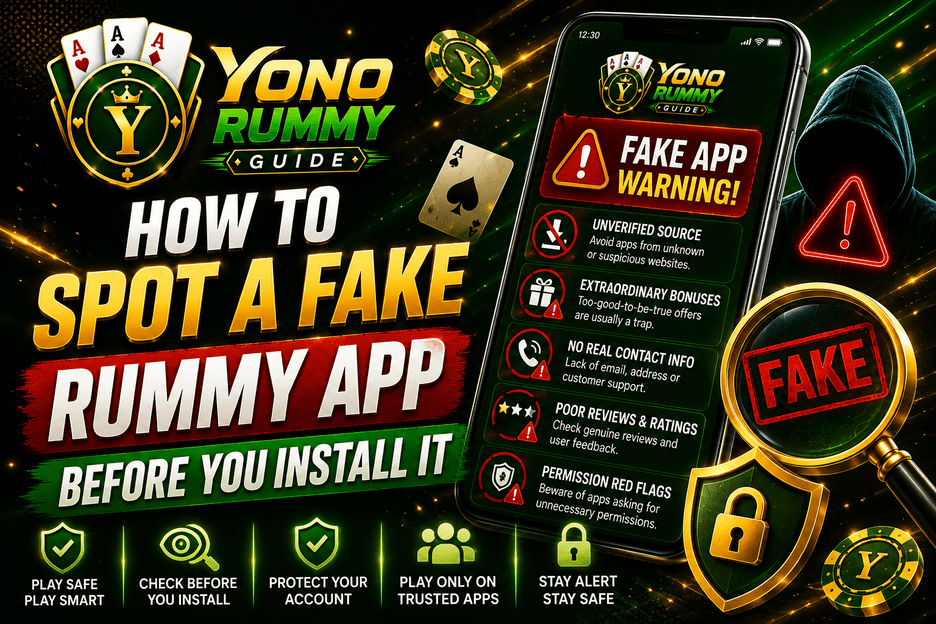
Any app popular enough to show up in your search results is popular enough to have a cloned version circulating somewhere. Fakes copy the name, the icon, sometimes the full landing page — built to harvest login details, push intrusive ads, or take a signup with no real intention of paying out. This guide covers how to catch that before installation, not after.
Real-money apps ask for personal information and, eventually, payment details as a normal part of signup — which means people are already primed to enter sensitive data, making it easier for a fake to slip through unnoticed. Combine that with the fact that most legitimate apps already distribute outside the Play Store, and telling a fake apart from the real thing by download source alone becomes genuinely harder than it should be.
Clone attempts also spike around moments of high search interest — right after an app runs a popular promotion, for instance, when more people than usual are searching its name. If you’re searching for an app shortly after hearing about it somewhere, that’s exactly the moment to be more careful, not less.
A legitimate app has a traceable developer behind it — a real website, ideally content beyond just the download page. If a search for the app’s name turns up nothing but download-aggregator sites and no real company presence, that gap is worth taking seriously.
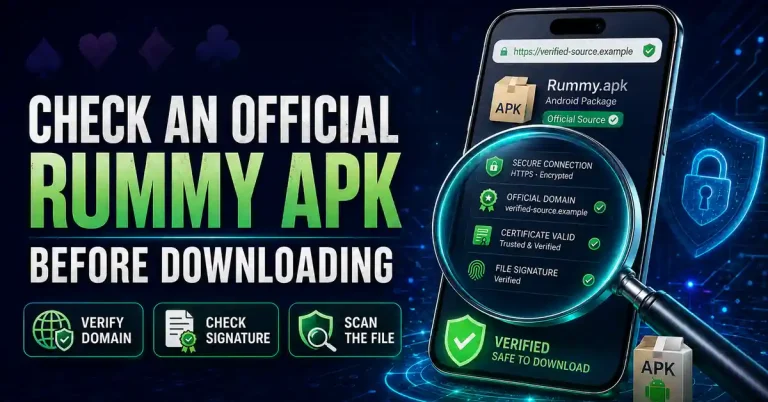
Clone sites frequently use domains built to look almost right — a swapped letter, an added word, a different top-level domain. Logos and page titles are trivial to copy; the actual URL is harder to fake convincingly, so that’s what to check carefully.
If a review lists an app’s expected file size and what you’re downloading differs significantly, that’s worth pausing on. Cloned APKs are sometimes padded with extra tracking code, or stripped down in ways that shift the size noticeably.
The star rating alone tells you little. Check how many reviews it’s based on, and scan the most recent ones specifically — a sudden wave of complaints about a changed login screen or missing withdrawals is a stronger signal than an average that hasn’t caught up yet.
If one version of an app advertises a bonus dramatically bigger than every other source reports for it, that’s a common tactic to drive downloads before anyone checks further. Cross-reference against the developer’s official page or an independent review before trusting an outlier figure.
If you notice any of these, uninstalling right away and changing any reused passwords is the safer move than waiting to see what happens next.
None of these are foolproof individually, but together they take a few minutes and meaningfully cut your odds of installing something you’ll regret. If you’d rather skip the manual work, our reviewed apps directory only lists apps where we’ve already confirmed the official source ourselves.
Finding a clone is worth reporting even if you didn’t fall for it. If it’s on the Play Store, Google’s reporting flow is the fastest route. If it’s a standalone site, the hosting provider or domain registrar can sometimes act on an abuse report, though timelines vary. Letting the real app’s developer know is worth doing too if you can find an official contact — they’re often already tracking clone attempts and may not know about a specific one yet.
Most apps you’ll come across are exactly what they claim to be — real companies, not scams. This guide isn’t meant to make every download feel risky; it’s meant to give you a fast, repeatable filter for the minority that aren’t legitimate, so the rest of your downloads can go smoothly without second-guessing everything.
Once you’ve confirmed an app is the real thing, our installation walkthrough covers the setup itself — permissions, settings, and everything between download and your first login.
Jaiho777 APK not installing? Check package, signer, Android version and storage before changing phone…
 APK Safety
A familiar icon can make a download feel safe before you have checked anything…